Café de Paris Monte-Carlo: History, Architecture and a New Era of Monaco Elegance
Few addresses in Monaco capture the spirit of Monte Carlo quite like Café de Paris Monte-Carlo. Overlooking the famous Place du Casino, the historic brasserie has witnessed more than a century of Riviera glamour, architectural reinvention and social life in the Principality. Since its origins in the 19th century, the café has evolved alongside its illustrious neighbours, the Hôtel de Paris Monte-Carlo and the Casino de Monte-Carlo, forming an architectural ensemble that remains the symbolic heart of Monaco.
Today, Café de Paris stands not simply as a restaurant, but as a living landmark. Its terraces continue to offer one of the most recognisable locations in the Principality, where visitors gather to observe the daily theatre of Monte Carlo life beneath the façades of some of Europe’s most storied buildings.
The Origins of Café de Paris Monte-Carlo


The story begins in 1868, when the establishment first opened under the name Café Divan. Monaco was then undergoing an extraordinary transformation. Under the vision of François Blanc and the Société des Bains de Mer, the rocky plateau surrounding the casino was being reshaped into a refined resort intended to attract Europe’s aristocracy and elite travellers.
The café quickly became part of this vision. Within a year it expanded and adopted the name Grand Café de Monte-Carlo, signalling its growing popularity as a gathering place for visitors arriving from Paris, London and beyond. By 1882 the building was reconstructed and officially renamed Café de Paris, reflecting Monaco’s ambition to create an environment that combined Parisian sophistication with the relaxed allure of the Mediterranean.
Under the influence of Marie Blanc, François Blanc’s wife, the café developed into something closer to a cultural salon than a simple dining venue. Guests encountered perfumery displays, art objects and gaming rooms alongside the restaurant itself. The atmosphere reflected the growing glamour of Monte Carlo, where architecture, entertainment and social life were carefully intertwined.
Belle Époque Architecture and Monte Carlo’s Golden Age


As Monte Carlo entered its Belle Époque golden age, the architecture of Café de Paris evolved to match the theatrical atmosphere of the surrounding square. In 1897, architect Henri Schmit introduced a dramatic redesign that gave the building a more exotic character. Domed roofs, minaret-like silhouettes and colourful earthenware friezes brought an element of romantic fantasy to the structure.
These decorative gestures echoed the ornate architecture of the nearby Casino de Monte-Carlo, reinforcing the sense that the entire square had been conceived as a stage for European high society. Hotels, gardens and terraces worked together to create a setting that felt both carefully composed and effortlessly glamorous.
The building continued to evolve in the early twentieth century. A grand salon inspired by the opulence of Louis XIV interiors was introduced in 1913, adding a layer of classical grandeur. By the 1930s, however, tastes had shifted. Art Deco influences brought a more streamlined elegance, reflecting the modern sensibilities of Monaco’s international visitors.
Each transformation tells part of the same story. Café de Paris has never stood still; it has adapted continuously to the changing rhythms of Monte Carlo life.
Reviving the Parisian Brasserie Spirit


By the late twentieth century, Monaco began looking once again to the elegance of its Belle Époque heritage. In 1988, Café de Paris underwent a major renovation that sought to revive the spirit of the grand Parisian brasserie while preserving the character that had made the venue so beloved.
The interiors embraced a palette that felt both classic and welcoming. Marble surfaces, stained-glass details and polished mahogany created an atmosphere of quiet sophistication. Beneath a vast glass canopy overlooking the Place du Casino, guests could linger for hours, watching the gentle choreography of Monte Carlo life unfold around them.
From this vantage point the square becomes a theatre. Cars glide to a halt outside the Hôtel de Paris, visitors drift through the gardens towards the casino, and conversations stretch long into the Riviera evening. The terrace of Café de Paris has long served as one of the most fascinating places in Monaco simply to sit and observe.
The 2023 Renovation and a New Architectural Chapter

TIn 2023, Café de Paris Monte-Carlo entered another important phase in its evolution. The extensive redevelopment, led by David Collins Studio in collaboration with Monaco’s architectural authorities, expanded the building while carefully refining its design language.
The brasserie now unfolds across several levels, introducing a new first-floor terrace and a rooftop restaurant that offers panoramic views across the Place du Casino. These additions subtly reshape the relationship between the café and the surrounding square, allowing guests to experience this iconic setting from new perspectives.
Inside, the renovation respects the building’s history while bringing a contemporary clarity to the interiors. Original features such as Art Deco stained glass and zodiac-inspired mosaics have been restored with care. Around them, designers introduced warm natural stone, sculptural brass lighting and deep leather banquettes that lend the space both comfort and visual depth.
Rather than imposing a dramatic stylistic shift, the project takes a more thoughtful approach. The new Café de Paris feels unmistakably modern, yet it remains rooted in the layered heritage that defines Monte Carlo.
The Architectural Ensemble of Place du Casino

Café de Paris has always been part of something larger than itself. Together with the Hôtel de Paris Monte-Carlo and the Casino de Monte-Carlo, it forms one of the most recognisable architectural compositions in Europe.
The Place du Casino is often described as Monaco’s open-air salon, and with good reason. The square was conceived not merely as a collection of buildings, but as a carefully choreographed urban space where architecture, gardens and public life intersect. Belle Époque façades frame the setting, while terraces and pathways guide the movement of visitors through the landscape.
From a table at Café de Paris, the view captures this composition perfectly. Travellers pause to photograph the casino, residents meet for coffee, and luxury automobiles glide across the square. It is a scene that feels both theatrical and surprisingly relaxed, a daily ritual that has played out here for generations.
Interior Design Inspiration from Monaco’s Historic Brasseries

Beyond its cultural significance, Café de Paris also offers an enduring source of inspiration for interior design. The success of the space lies not in extravagance alone, but in the careful balance of materials, proportions and atmosphere.
Marble floors provide structure and elegance, while brass lighting introduces warmth and subtle luminosity. Upholstered leather seating and softly layered textures invite guests to linger. The overall effect is one of quiet luxury, where craftsmanship and comfort coexist naturally.
These principles continue to influence contemporary residential design across Monaco and the French Riviera. Rather than replicating historic interiors, designers often reinterpret their underlying ideas. Balanced symmetry, refined materials and thoughtful detailing can bring the same sense of sophistication to modern homes.
A Timeless Symbol of Monte Carlo
More than 150 years after its opening, Café de Paris Monte-Carlo remains one of the Principality’s most enduring landmarks. Its recent transformation reflects Monaco’s evolving identity, where heritage and modernity exist side by side in a carefully curated balance.
For visitors, architects and design enthusiasts, the brasserie offers more than a place to dine. It provides a window into the architectural and cultural story of Monte Carlo itself.
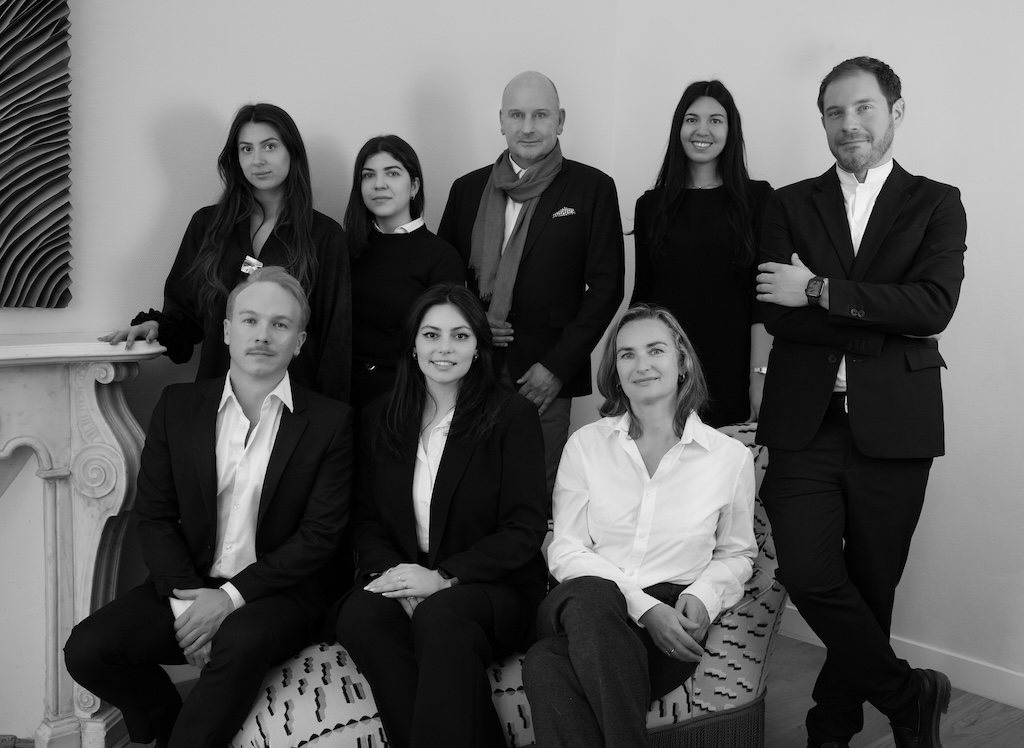
For those inspired by the elegance of Monaco’s historic interiors, translating this atmosphere into private spaces requires both architectural sensitivity and design expertise. At Luxoria Interiors, our team draws inspiration from the region’s rich design heritage to create refined living environments across the French Riviera, where classical sophistication meets contemporary comfort.
To see more from us, our news stories and blog posts, follow the link HERE. Additionally, if you want to keep up to date with the progress of our projects, you can follow us on Instagram. We regularly post updates on our international projects!