New Era of Ultra-Luxury Residences & Branded Developments in Dubai
Dubai’s evolution from a regional trading port to a global hub for ultra-luxury living has been rapid and intentional. Central to this transformation is the rise of branded residences — private homes associated with world-class hospitality operators. These residences do more than offer a prestigious name: they translate the precision, service, and aesthetic rigor of high-end hotels into private interiors, establishing a new benchmark for luxury in the region.
For UHNW expats, property investors, and boutique developers, understanding the influence of branded residences is essential when navigating the Dubai market and conceptualising high-end interiors.
What Are Branded Residences?
Branded residences merge real estate ownership with the operational and aesthetic standards of luxury hotels. Residents gain access to concierge services, in-house restaurants, spas, and tailored amenities while living in their private villas or apartments. In Dubai, where privacy, discretion, and hospitality are cultural priorities, these residences deliver an experience that balances exclusivity with service excellence.
This model significantly impacts interior design: materials, finishes, layouts, and bespoke joinery are guided by brand standards, creating a coherent aesthetic language across multiple properties.
Landmark Developments Shaping Dubai’s Design Culture
Bvlgari Resort & Residences
Bvlgari Resort & Residences (Jumeirah Bay / Jumeira) — Designed by Antonio Citterio Patricia Viel (ACPV), the Bvlgari development draws on the maison’s Italian heritage: discreet material opulence, a rigorous attention to joinery and a pattern language that references jewellery-making and Mediterranean coastal typologies. ACPV’s involvement guarantees a high level of curated detail — marble selections, bespoke fittings and furniture protocols — that raise expectations for in-home craftsmanship in neighbouring developments. For buyers, a Bvlgari residence signals an interior that will read like a private salon rather than a showpiece.
Four Seasons Private Residences
Four Seasons Private Residences (various Dubai locations) — Four Seasons brings an explicitly service-led proposition into apartments and villas: resident-only amenities, a culture of anticipatory service and interior programming that privileges flow between private and shared hospitality spaces. Architecturally, Four Seasons residences in Dubai marry internationally recognised design practices with locally calibrated amenity planning, producing layouts that facilitate both private family life and formal entertaining.
The Lana (Dorchester Collection)
The Lana & Residences (Dorchester Collection, Marasi Bay / Business Bay) — Foster + Partners’ architecture for The Lana, paired with Dorchester Collection’s interior and service signatures, exemplifies the move toward refined restraint: textured surfaces, artful lighting and a curated culinary and wellness offer that informs in-home kitchen and service planning. Where once Dubai’s ultra-luxury favoured spectacle, these projects emphasise materiality and discreet luxury.
Atlantis The Royal & Adjacent Residences
Atlantis The Royal & adjacent residential offerings — While Atlantis is an entertainment-driven hospitality brand, the Royal iteration (designed with Kohn Pedersen Fox as principal designers and extensive interior collaborations) demonstrates another axis: immersive, experiential programming (multiple speciality restaurants, vertical outdoor pools, theatrical arrival spaces) that influences owners to expect dramatic outdoor/terrace programming and integrated F&B options within private residences.
Hospitality Principles in Private Interiors
There are several repeatable ways hotel logic becomes domestic logic in branded homes:
Service choreography and spatial planning
Hospitality brands model the choreography of staff, access and privacy: discreet service corridors, dual-aspect kitchens that support both private family use and external catering, and guest suites that act as buffer zones between public entertaining and family quarters. Branded developments often mandate service-quality design — back-of-house planning becomes front-of-house value. Developers highlight this as a resale and lifestyle advantage; designers must therefore reconcile domestic ergonomics with hotel-grade circulation. See more from Four Seasons
Amenity-informed domestic programmes
Residents expect hotel-style amenity parity: private cinemas, residents’ lounges, in-building spas, F&B pop-ups and landscaped terraces that read like hotel gardens. Internally, this translates to larger utility footprints (pantries, cold-rooms), integrated AV and restaurant-grade kitchens for entertaining, and generous exterior living rooms (balconies/terraces/pools) calibrated for evening use in a desert climate. The result is a blurring of single-family programming and hotel communal life.
Predictable, repeatable material and finish protocols
Hospital operators insist on repeatable quality. This yields standardised finish palettes, specification schedules and procurement approaches that favour long-life materials (stone, bronze, timber joinery) and bespoke fittings. Buyers derive assurance from that specification discipline; designers working in this context must craft uniqueness within brand parameters. Bulgari’s attention to artisanal stonework and custom detailing is a pertinent example. To see more examples Bulgari Hotels
Wellness, privacy and security as embedded attributes
Wellness suites, enhanced acoustics, integrated air-management and spa bathrooms become expected features. At a luxury scale, privacy is also engineered into the envelope — private drop-offs, separated lifts and in-suite circulation that protects family life from arrival sequences. Branded residences tend to normalise these provisions across the market.
Craftsmanship and Bespoke Joinery
A core reason branded residences raise design standards is procurement discipline. Where an independent development might source ready-made fittings, a brand often requires bespoke joinery, curated furniture packages and artisan finishes to align the residence with its hospitality DNA. That has three important consequences:
Longevity over instant spectacle: A subtle but consequential shift visible in several recent launches (Dorchester’s Lana, some Four Seasons projects) is the preference for considered textures and restrained palettes that age well. That restraint asks designers to be rigorous about craft — joinery proportions, hidden hardware, and proportioned millwork replace overt ostentation.
Specification intensity: Every door handle, bath fixture and walk-in wardrobe becomes a deliberate aesthetic and tactile decision. In Bvlgari’s case, for instance, ACPV’s design approach extends from large stone choices to sculpted door handles and bespoke lighting — a scaled application of design authorship that private clients now expect.
Concierge-level living: Branded residences integrate living with service: personal shopping, in-home housekeeping supervised to hotel standards, and technical concierge for systems and art installations. Interiors therefore anticipate those services: storage for service equipment, dedicated art walls with integrated hanging systems, and structural allowances for in-suite technical support. This is not superficial luxury; it is operational design. Four Seasons
Implications for Developers, Buyers, and Designers
For developers: Partnering with an established hospitality brand is now a strategic move to increase price resilience and to access the brand’s global marketing and reservation systems. But a brand contract also imposes design governance and long lead-times for bespoke elements — budgets must reflect that.
For buyers (UHNW expats, private villa owners, investors): Branded residences offer predictability: consistent operational standards, global concierge networks and a one-stop ownership model. Buyers should evaluate the brand’s depth — does it genuinely control design and service, or is it a name licensing arrangement? That distinction matters for both lifestyle and capital value.
For designers and local studios: The branded market demands a hybrid skillset: a fluent understanding of hotel operation, procurement muscle for artisan work, and the ability to design interiors that are both private homes and extensions of a hospitality brand. This requires stronger client-management rhythms, robust documentation and collaborative relationships with brand design leads and international artisans.
Historical and Cultural Context
This design evolution is intelligible only against Dubai’s unique urban history. From a nineteenth-century pearling and trading settlement to the discovery of oil in 1966, Dubai’s modern growth has depended on ambitious infrastructure projects, free-zone policies and a willingness to import brands and talent. The city’s civic choices created a market ecosystem for branded luxury: an expanding expatriate population, global investors and a tourism economy that prizes novelty and quality. That context explains why branded residences in Dubai are not just product innovations but instruments of place-making.
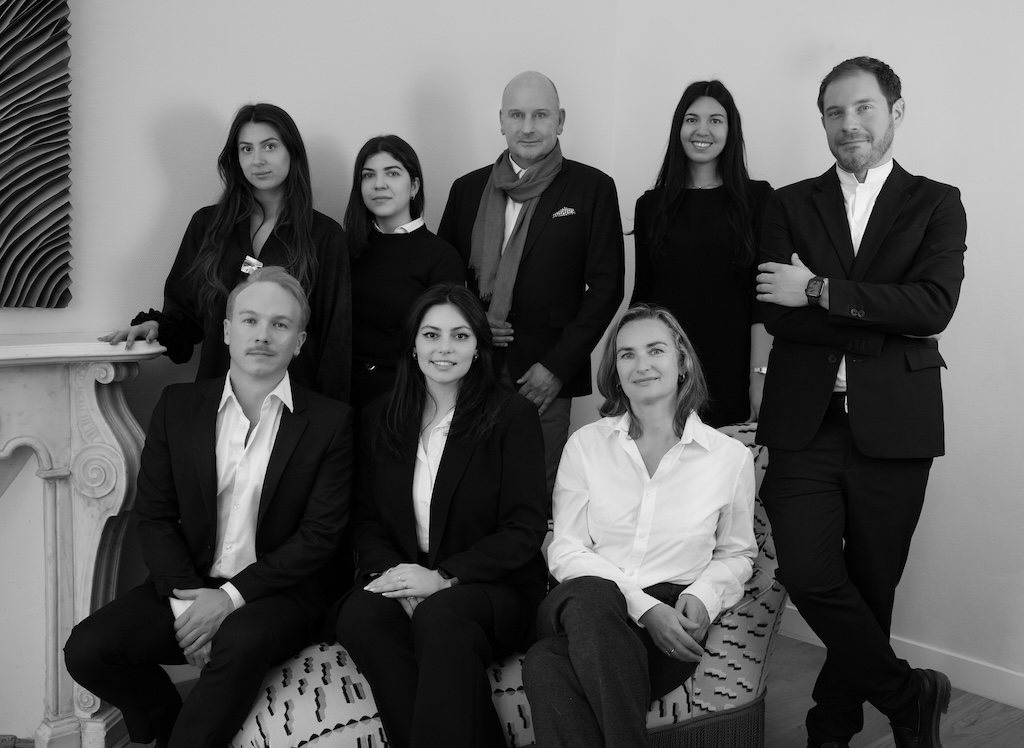
Luxoria’s Approach
At Luxoria, our work in Luxury interior design Dubai focuses on translating hospitality-grade standards into homes that are personal, contemporary, and enduring. Our services include:
- Bespoke joinery and artisanal finishes
- Spatial programming for private life and entertaining
- Rigorous procurement aligned with brand standards
- Integrated wellness, technology, and service-oriented design
Whether designing Dubai villa interiors on Palm Jumeirah or high-rise branded residences, Luxoria ensures interiors meet brand-calibre standards while reflecting the owner’s identity.
Branded residences in Dubai represent a paradigm shift in luxury interior design, merging private domesticity with hospitality-grade standards. Understanding this dynamic is essential for developers, buyers, and designers alike. Luxoria translates these global benchmarks into interiors that are as refined, functional, and enduring as the world-class projects that define Dubai’s skyline.
To see more from us, our news stories and blog posts, follow the link HERE. Additionally, if you want to keep up to date with the progress of our projects, you can follow us on Instagram. We regularly post updates on our international projects!