The House That Watched Monaco Change: Inside the Story of Hôtel Métropole Monte-Carlo
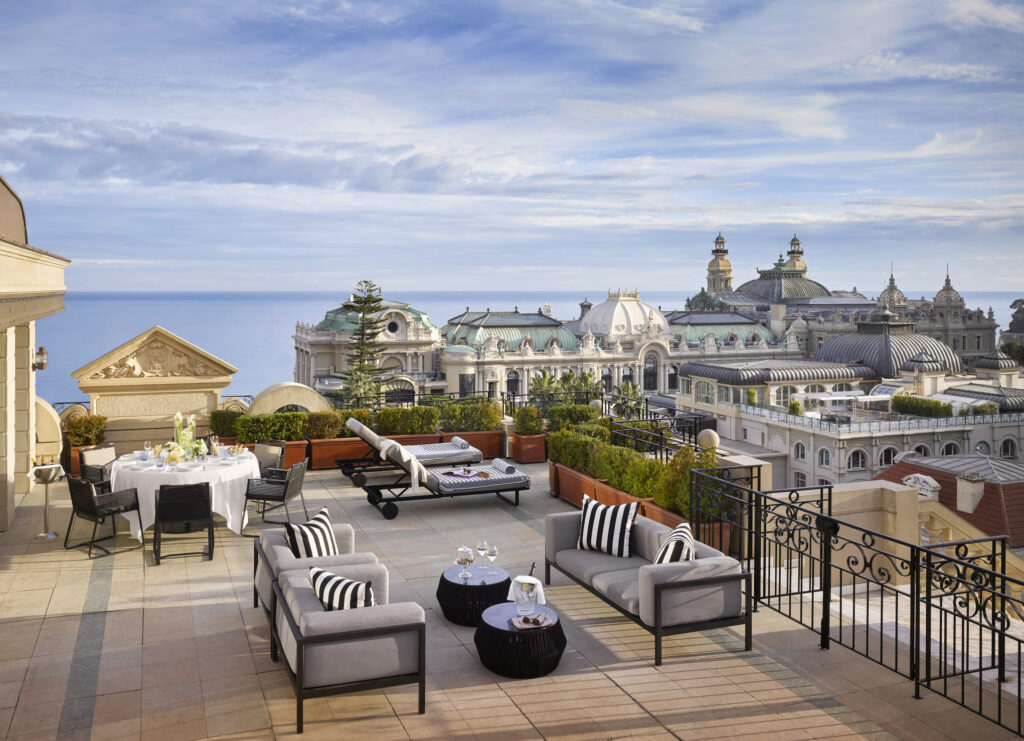
There are hotels that provide accommodation, and there are hotels that become part of the history of a place. Hôtel Métropole Monte-Carlo belongs firmly to the second category. Standing just steps from the legendary Casino de Monte-Carlo, the hotel has witnessed more than 135 years of transformation, observing Monaco’s evolution from a quiet Mediterranean principality into one of the world’s most exclusive destinations.
Behind its elegant Belle Époque façade lies a story that mirrors Monaco itself: a tale of ambition, reinvention and an enduring pursuit of beauty. The hotel has welcomed European aristocrats escaping northern winters, Hollywood royalty seeking discretion, international financiers during Monaco’s rise as a global luxury capital, and generations of travellers drawn to the Riviera’s unique combination of glamour and serenity.
Today, Monte Carlo is synonymous with superyachts, Formula One, haute couture and exceptional residences overlooking the Mediterranean. Yet before Monaco became a playground for the international elite, there was a vision: to transform a small principality into a destination where elegance, entertainment and culture could exist together. Hôtel Métropole was born from that vision.
The Birth of Monte Carlo’s Golden Era
The story of Hôtel Métropole begins during one of the most ambitious periods in Monaco’s history. During the second half of the 19th century, Monaco was undergoing a dramatic transformation. Under the reign of Prince Charles III, the principality sought a new economic future following the loss of agricultural territories and traditional sources of revenue. The answer came through the development of tourism, particularly around Monte Carlo and the creation of a world-class entertainment district centred around the Casino de Monte-Carlo.
The arrival of the casino in the 1860s, developed through the partnership between Prince Charles III and entrepreneur François Blanc, changed Monaco forever. Blanc understood that luxury travellers were not simply attracted by gambling—they were attracted by an entire experience. A sophisticated destination required grand hotels, gardens, theatres, restaurants and spaces where European society could gather.
Monte Carlo was carefully designed as a stage for elegance. By the 1880s, the principality had become one of Europe’s most fashionable destinations. Aristocrats, industrialists and wealthy travellers arrived from Britain, France, Russia and beyond, seeking Mediterranean sunshine and the social opportunities that accompanied it.
A new grand hotel was needed. In 1889, Hôtel Métropole Monte-Carlo opened its doors, positioned perfectly within the prestigious Carré d’Or district, directly connected to the social life surrounding the casino. It was designed not simply as a place to sleep, but as an extension of Monte Carlo’s glamorous identity.
Hans-Georg Tersling: The Architect Who Shaped Monte Carlo
The man entrusted with creating the hotel was Danish-born architect Hans-Georg Tersling, one of the most important architectural figures of Belle Époque Monaco.
Tersling played a significant role in shaping the visual identity of the Riviera during its golden age. His architecture reflected the tastes of the period: a sophisticated blend of French classicism, Italian influences and Mediterranean elegance. His work helped establish the refined architectural language that still defines many of Monaco’s most prestigious buildings.
For Hôtel Métropole, Tersling created a building that balanced grandeur with intimacy. Unlike some of Europe’s enormous palace hotels, the Métropole was conceived with a more residential feeling—a place where wealthy guests could feel as though they were staying in an aristocratic residence rather than a commercial establishment. This idea remains central to the hotel’s identity today.
The Belle Époque was an era fascinated by craftsmanship and detail. Interiors were designed as immersive environments, where architecture, furniture, fabrics and decorative arts worked together to create a complete experience. Hôtel Métropole reflected this philosophy, with elegant salons, refined public spaces and interiors designed for social interaction.
The hotel quickly became part of the ritual of Riviera life. Guests would arrive by train from Paris, London or other European capitals, spend afternoons strolling through Monte Carlo’s gardens, attend performances at the opera, dine late into the evening and gather in the hotel’s salons before or after visits to the casino. The hotel was not simply observing Monaco’s transformation. It was helping create it.
A Hotel at the Centre of Belle Époque Society
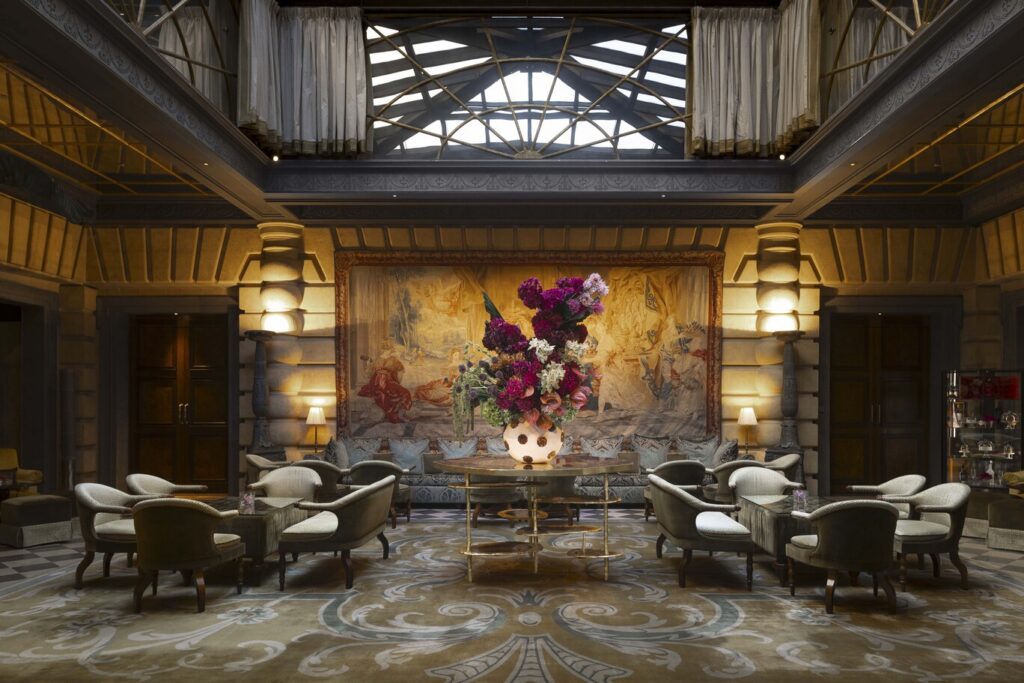
At the height of the Belle Époque, the French Riviera became one of the most fascinating meeting points in Europe. Royal families, aristocrats, artists and entrepreneurs crossed paths along the coastline, creating a unique social world where old European traditions met modern luxury. Monaco occupied a special position within this landscape.
Unlike larger destinations such as Nice or Cannes, Monaco offered something increasingly valuable among the wealthy elite: discretion. Its small size, political independence and reputation for refinement made it an ideal gathering place for those seeking privacy away from the scrutiny of larger European capitals. Hôtel Métropole became part of this discreet world.
The hotel’s proximity to the Casino de Monte-Carlo meant it was positioned at the centre of Monaco’s social universe. Yet its reputation was never based solely on spectacle. The Métropole became known for elegance, service and an atmosphere of understated sophistication. This distinction remains important. While other destinations competed for attention, Monaco developed a different philosophy of luxury: less about display, more about access. The truly privileged did not need to announce their presence. They simply arrived.
The Riviera’s Great Names and Legendary Guests
Throughout the 20th century, Hôtel Métropole became a favourite address for figures who shaped culture, politics and entertainment. The hotel welcomed members of European royalty, international celebrities and influential personalities drawn to Monaco’s unique atmosphere.
Among its famous guests were Hollywood icons including Elizabeth Taylor and Frank Sinatra, both associated with the Riviera’s golden age of glamour. Their presence reflected Monaco’s growing relationship with American entertainment culture, particularly as the post-war Riviera became a destination for cinema stars, artists and international personalities. The hotel’s appeal was not only its location—it was the discretion it offered.
For celebrities accustomed to constant attention, Monaco provided a rare opportunity to enjoy luxury without intrusion. The Métropole’s intimate scale and refined atmosphere made it a natural choice for guests who valued privacy. The hotel also witnessed moments of genuine historical significance.
In 1944, during the final years of the Second World War, Prince Andrew of Greece and Denmark died at Hôtel Métropole. He was the father of Prince Philip, Duke of Edinburgh, who would later marry Queen Elizabeth II of the United Kingdom. His death marked a quiet but significant moment in European royal history. Few visitors today realise that behind the polished marble floors and elegant interiors, the hotel contains layers of history connecting it to some of the most important families and events of the 20th century.
Reinventing a Belle Époque Icon
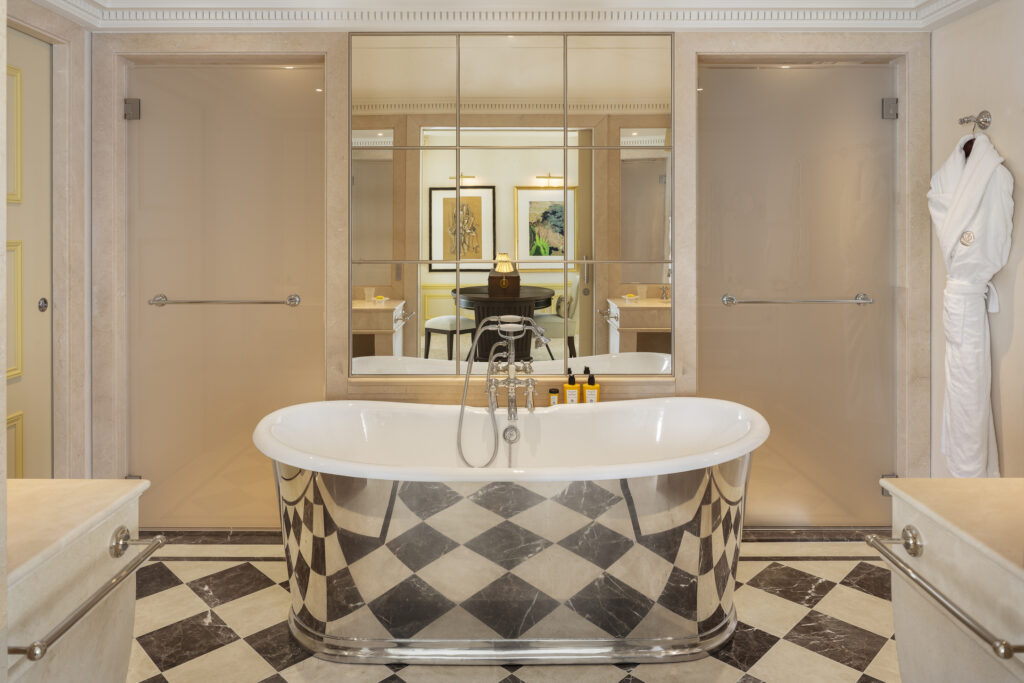
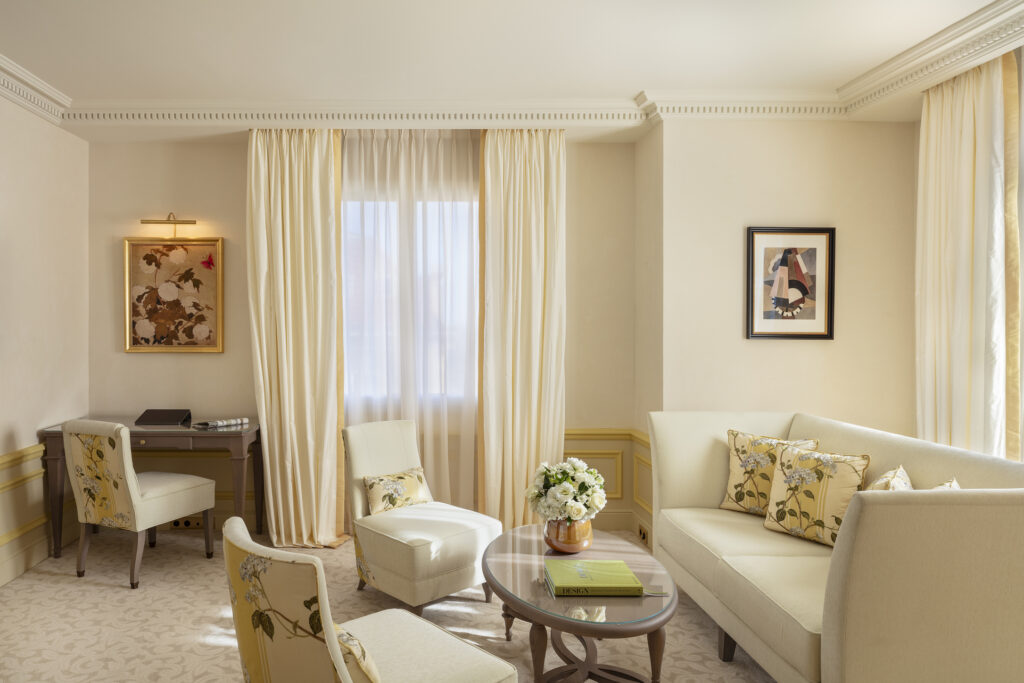
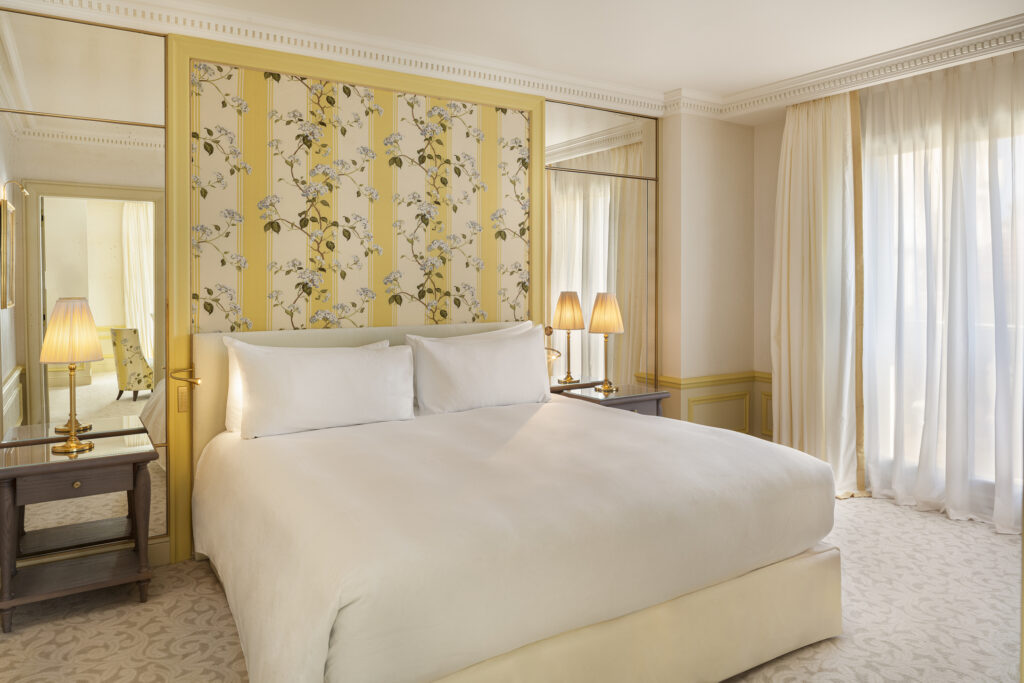
Like Monaco itself, Hôtel Métropole has never stood still. The twentieth century brought extraordinary change to the Principality. Two World Wars reshaped Europe, international travel evolved, and Monte Carlo gradually transitioned from an aristocratic winter retreat to a year-round destination for entrepreneurs, collectors, designers and global tastemakers. Throughout it all, the Métropole remained a constant presence, though by the late twentieth century it faced the same question confronting many of Europe’s grand hotels: how could a Belle Époque masterpiece remain relevant in a modern world? The answer came not through reinvention, but through restoration.
In the 1980s, Lebanese businessman Nabil Boustany acquired the property with an ambitious vision. Rather than replacing the ageing hotel with a contemporary development, he chose to preserve its architectural soul while elevating it to the standards expected of one of Europe’s great palace hotels. It was an enormously expensive undertaking, but one that reflected a growing appreciation for Monaco’s architectural heritage.
The restoration respected the building’s nineteenth-century foundations while preparing it for a new generation of international travellers who increasingly sought authenticity alongside luxury. The result was a hotel that felt neither historical nor modern, but timeless.
Jacques Garcia and the Art of Storytelling Through Design
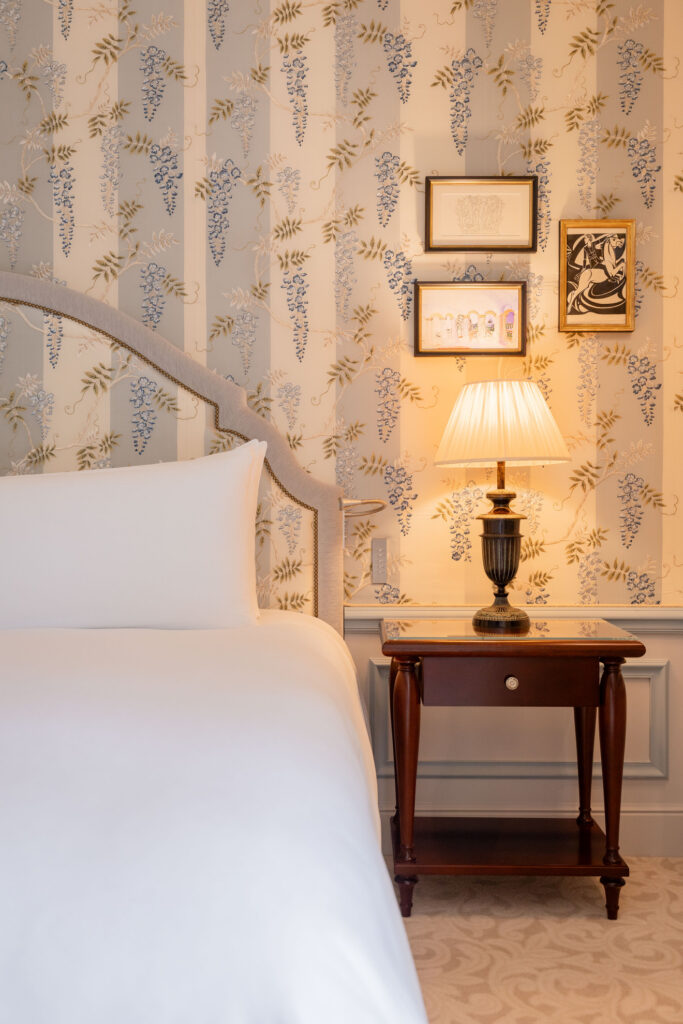
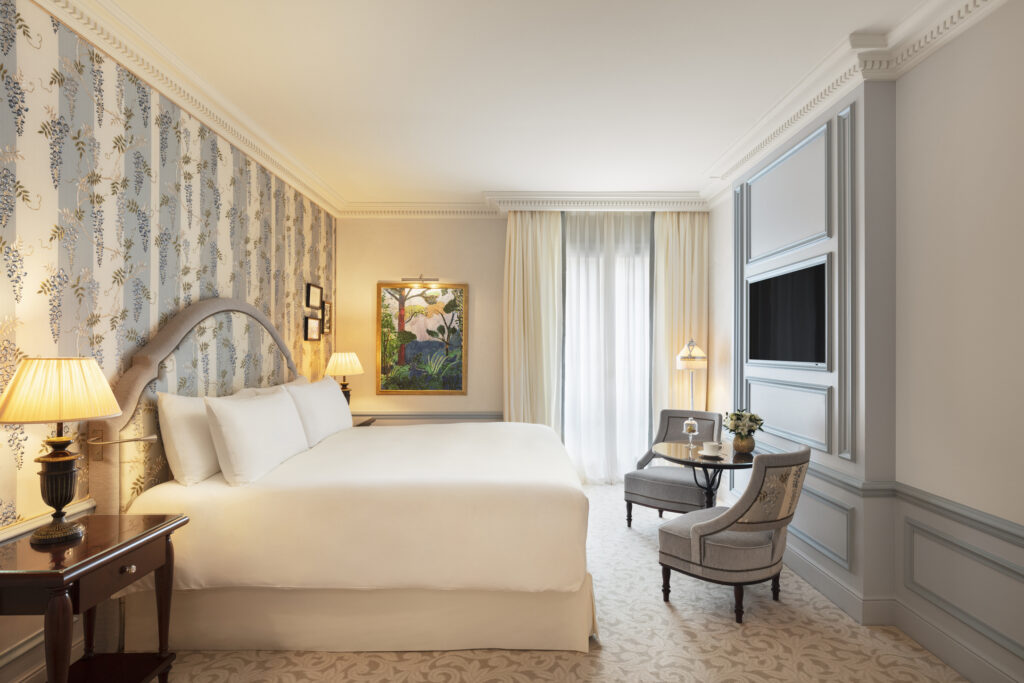
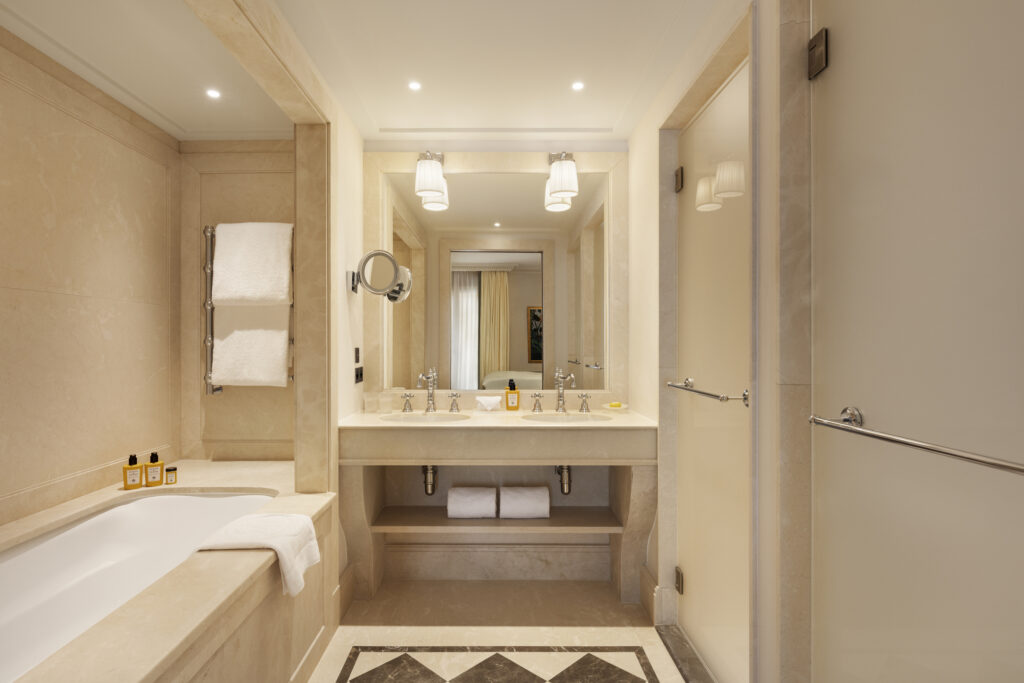
Every great hotel has an identity. Some express it through architecture; others through service. Hôtel Métropole found its contemporary voice through one of the world’s most celebrated interior designers: Jacques Garcia.
Known for his work at Hôtel Costes in Paris, La Mamounia in Marrakech and Château du Champ-de-Bataille, Garcia has built an international reputation for creating interiors that feel deeply rooted in history without becoming theatrical recreations of the past. When he undertook the redesign of Hôtel Métropole, his objective was not to modernise it.
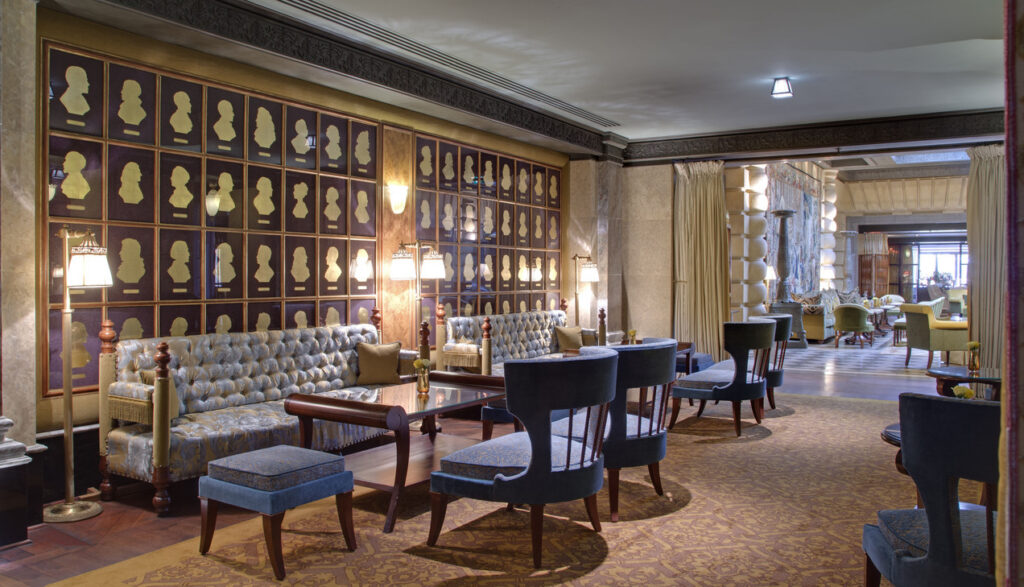
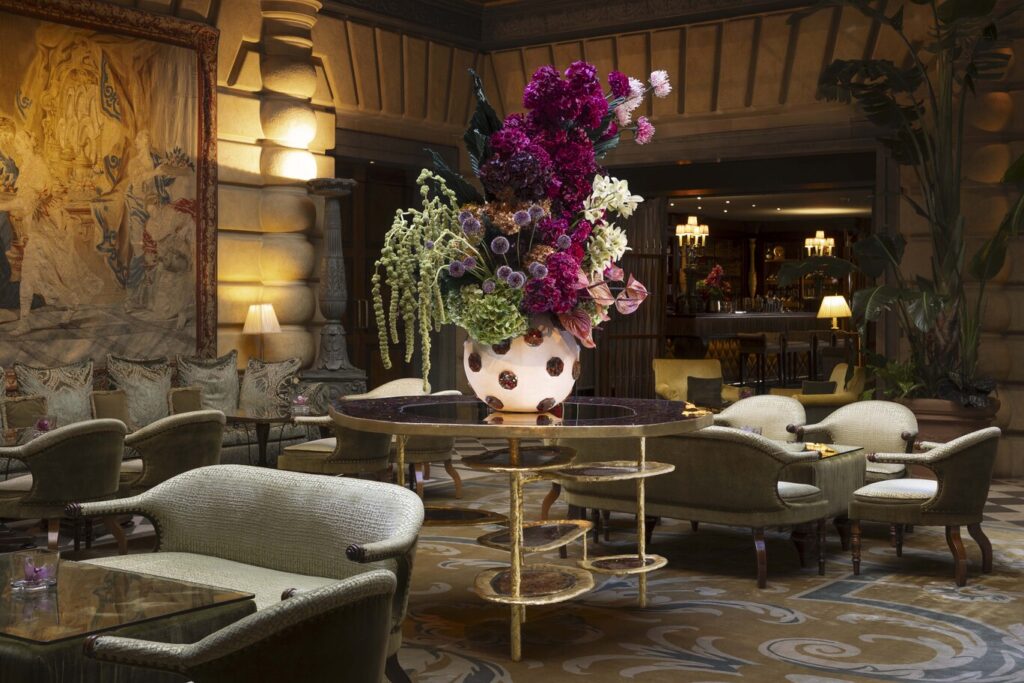
Instead, he imagined what the hotel might have become had its Belle Époque spirit evolved naturally over more than a century. Garcia’s interiors celebrate richness without excess. Velvet, silk and finely crafted woodwork sit alongside marble, antique mirrors and carefully selected artworks. Warm lighting replaces ostentation, creating spaces that feel intimate rather than intimidating. He once remarked that legendary places should never lose their identity—they should simply continue telling their story.
This layered approach to design is remarkably similar to the finest private residences on the French Riviera, where contemporary interventions often exist in harmony with historical architecture rather than competing against it. For interior designers, it offers an important lesson.
A Hotel of Quiet Conversations
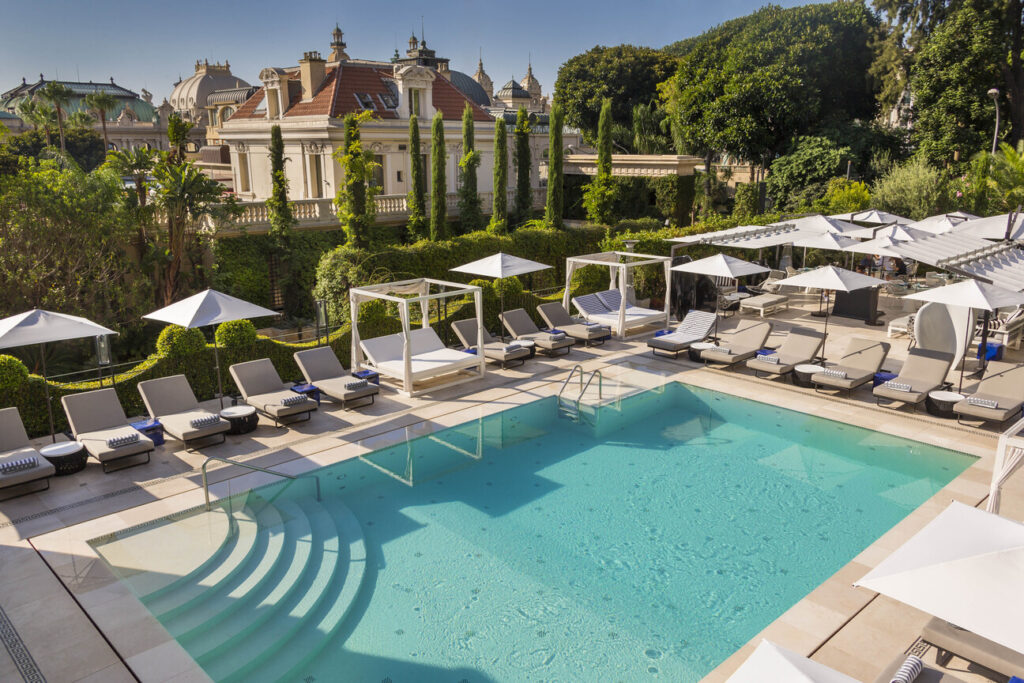
Unlike some of its neighbours, Hôtel Métropole has never built its reputation on grand public events. Its history is filled instead with quieter stories.
Hollywood legends have slipped through its revolving doors without fanfare. International business leaders have negotiated deals over breakfast in its restaurants. Royal families have returned year after year, valuing the hotel’s discretion above all else. Elizabeth Taylor reportedly appreciated Monaco precisely because it allowed a degree of normality impossible elsewhere. Frank Sinatra became another familiar face during the Riviera’s golden decades, when Monte Carlo was synonymous with elegant evenings and world-class entertainment.
During Grand Prix weekend, the hotel has long served as an unofficial meeting place where conversations over lunch can prove every bit as significant as the race itself. Unlike the casino floor or the harbour, where wealth is displayed, Hôtel Métropole has traditionally represented the opposite side of Monaco’s character.
Why the Métropole Still Matters
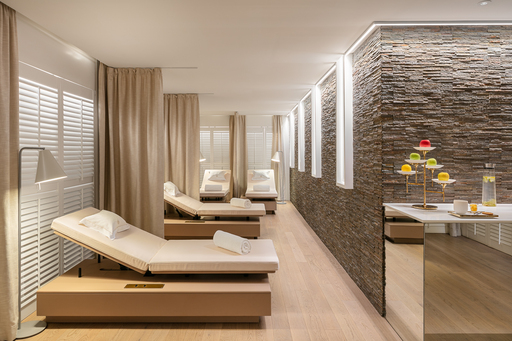
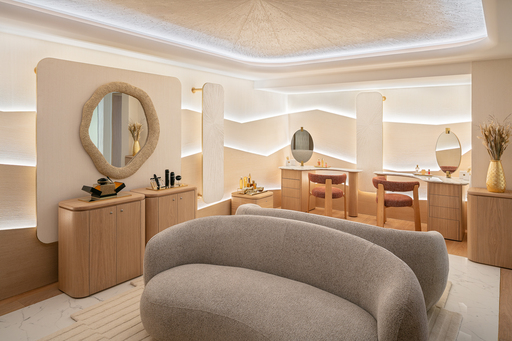
Monaco continues to evolve. The skyline changes. Superyachts grow larger. New residences rise above the Mediterranean. Technology transforms the way people travel and live. Yet Hôtel Métropole continues to occupy a unique place within the Principality.
It reminds visitors that luxury did not begin with penthouses or private jets. It began with beautifully designed spaces where people gathered to exchange ideas, celebrate friendships and experience the finest examples of architecture, art and hospitality. For more than 135 years, the hotel has quietly witnessed every chapter of Monaco’s modern story.
It has watched Belle Époque aristocrats arrive by train carrying steamer trunks. It has welcomed Hollywood royalty during cinema’s golden age. It has survived world wars, economic crises and changing fashions. It has embraced some of the greatest creative minds in architecture, interior design and fashion while never losing sight of its original purpose.
Few buildings can claim to have witnessed Monaco’s transformation so completely. Fewer still continue to do so with such effortless grace. As Monaco looks towards the future, Hôtel Métropole remains what it has always been: not merely a luxury hotel, but a custodian of the Principality’s most elegant traditions.
To see more from us, our news stories and blog posts, follow the link HERE. Additionally, if you want to keep up to date with the progress on our projects you can follow us on Instagram. We regularly post updates on our international projects!