The White Lotus Effect: Has Saint-Tropez Become Its Own Stage?
Video by Laura & Nicolas embedded from Youtube
Saint-Tropez has always understood the power of myth. Long before prestige television arrived with its lacquered satire of wealth, this once-humble fishing port was already being shaped by artists, aristocrats and cinematic fantasy. Paul Signac painted its extraordinary Mediterranean light in the late 19th century, Colette wrote of its seductive languor, and by the mid-century Riviera era, Saint-Tropez had become less a village than an international symbol — one perpetually suspended somewhere between Provençal simplicity and polished performance.
Now, it finds itself in a new spotlight. HBO’s The White Lotus — that brilliantly acerbic study of privilege, beauty and social theatre — has reportedly set its fourth season across the French Riviera, with filming centred around Airelles Château de la Messardière above Saint-Tropez and Hôtel Martinez during the Cannes Film Festival, marking the series’ first major departure from its Four Seasons formula. Recent production reports also note that Helena Bonham Carterexited shortly after filming began, with her role now being rewritten and recast — a fittingly dramatic footnote for a series built on social volatility.
The so-called “White Lotus effect” is by now well established: destinations featured in the series are transformed into aspirational stages, their real geography subtly overtaken by narrative desirability. Sicily became more than Sicily; Maui became a social signifier. Saint-Tropez, however, presents a more layered proposition. Unlike previous settings, this is a place that has spent decades mastering the art of being watched.
A Village Under the Spotlight
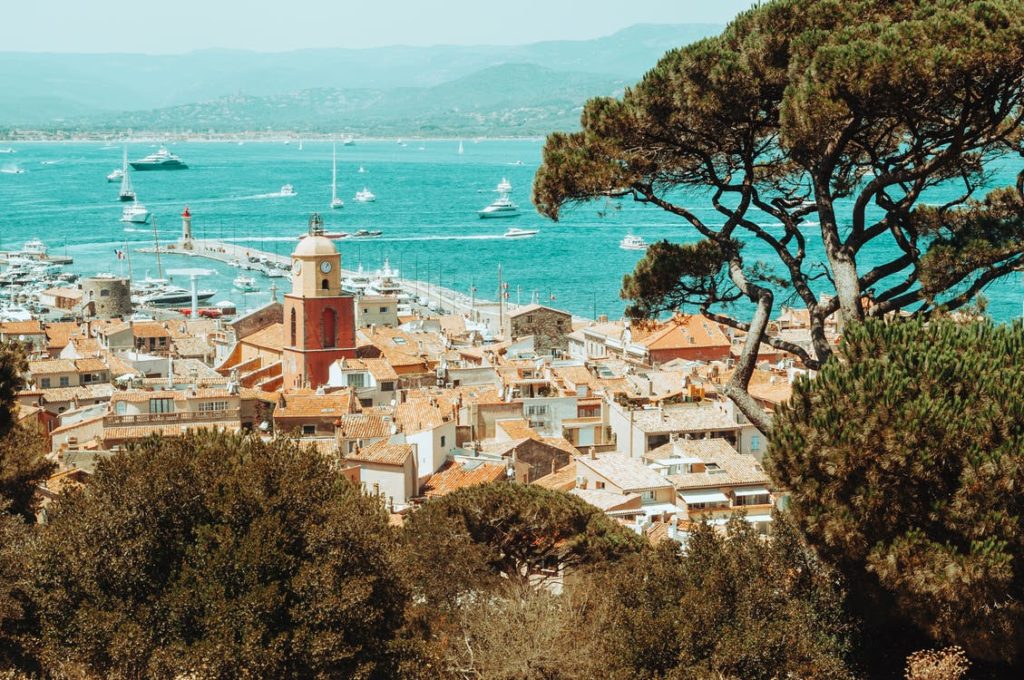
In summer, Saint-Tropez can feel like an exquisite contradiction. The Vieux Port glitters with improbable yachts; beach clubs on Pampelonne hum with curated spontaneity; linen appears perpetually uncreased. Yet arrive in February or March and another Saint-Tropez emerges — quieter, more provincial, almost stubbornly ordinary. Place des Lices belongs once more to market traders and pétanque players rather than paparazzi.
This seasonal duality is perhaps what makes the White Lotus lens so apt. Saint-Tropez has long balanced authenticity with artifice, but in the age of social media and prestige television, the equation has shifted. Luxury today is no longer merely experienced — it is documented, performed, consumed by others. And Saint-Tropez, willingly or not, has become highly fluent in this language.
Riviera Heritage Versus Riviera Theatre
To dismiss Saint-Tropez as pure spectacle would, however, be lazy. Architecturally, the town remains deeply rooted in its Provençal identity: ochre façades, faded pastel shutters, terracotta roofs and narrow sun-warmed alleys still preserve the texture of an old maritime settlement. The Citadel looms with quiet historical authority; the bell towers and stone houses retain an authenticity no marketing campaign could convincingly fabricate.
But Saint-Tropez has never been entirely innocent either. Its transformation into an elite playground predates Instagram by many decades. Writers, painters, royals and fashion figures all projected their fantasies here. The village has always hosted a certain performance — only now it is global, digitised and monetised with startling efficiency.
In many ways, The White Lotus does not change Saint-Tropez. It simply reflects it back to itself.
Architecture and Aesthetics: The Quiet Luxury Counterpoint
Interestingly, the most compelling resistance to overt spectacle may lie in Saint-Tropez’s design evolution. The Riviera’s new architectural language is increasingly one of discretion. Properties such as Airelles Château de la Messardière — perched above Pampelonne with nearly 25 acres of grounds, multiple pools and panoramic sea views — offer grandeur, certainly, but increasingly filtered through cultivated restraint rather than gaudy excess. Condé Nast Traveller notes that the château’s appeal lies as much in its layered gardens, restored 19th-century character and elevated privacy as in overt glamour.
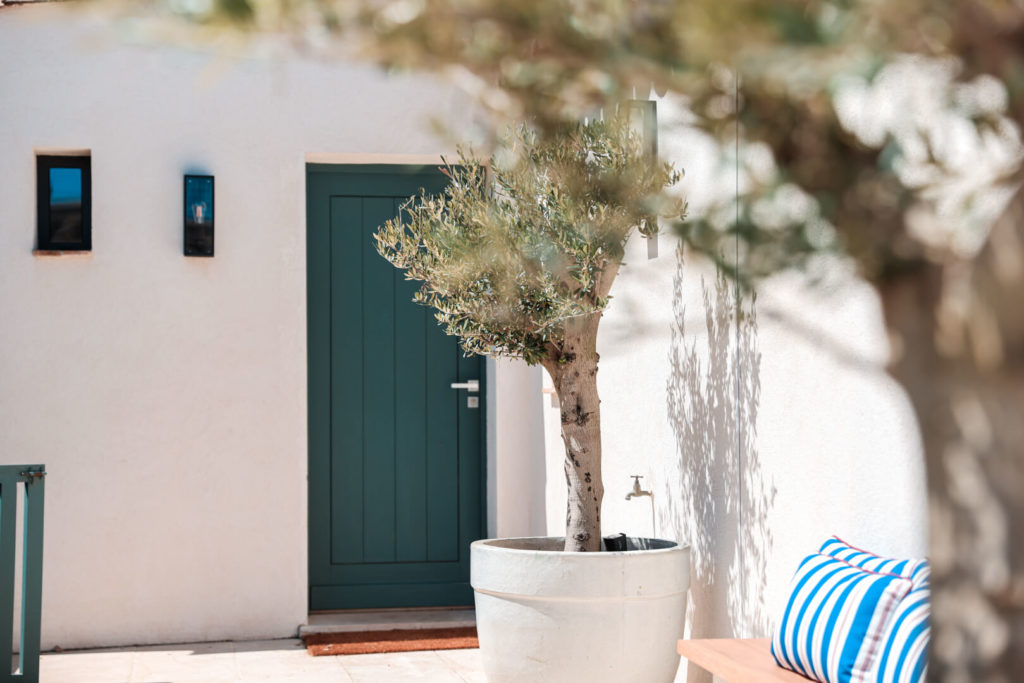
Elsewhere, Saint-Tropez’s design scene leans towards what might best be described as “earthy chic”: natural stone, limewash plaster, olive groves, softened palettes and tactile minimalism. Even beach institutions have evolved. Pampelonne’s clubs, while still deeply social, increasingly package themselves through ecological sensitivity, architectural subtlety and strategic nostalgia.
In short, the aesthetic has matured. If old Saint-Tropez sold visible opulence, new Saint-Tropez increasingly sells atmosphere.
Beach Clubs, Visibility and the New Luxury Performance
Of course, one should not confuse understatement with modesty. The social stage remains alive and well. Club 55, Jardin Tropezina and the Byblos orbit continue to function as cultural shorthand for Riviera relevance. What has changed is that contemporary luxury increasingly hinges on appearing effortlessly private while being impeccably visible.
This is Saint-Tropez’s great modern paradox: seclusion is now one of its most marketable spectacles.
One can still find authenticity — a pine-shaded terrace in Ramatuelle, an understated lunch in La Ponche, an early-morning fish market untouched by influencer choreography — but these moments now exist alongside an economy built on curated exclusivity.
So, Has Saint-Tropez Become Its Own Stage?
Perhaps the sharper answer is that it always was. Saint-Tropez has spent over a century balancing village life with fantasy, intimacy with observation. What The White Lotus adds is not transformation, but amplification — a new chapter in a long-standing cultural performance where wealth, taste and status are subtly rehearsed against a Mediterranean backdrop. Yet beneath the performative gloss, Saint-Tropez still possesses something rarer than glamour: genuine complexity.
It remains a place where old fishermen’s houses sit not far from billionaires’ villas; where understated architectural intelligence quietly resists vulgarity; where Provençal rhythms endure beneath seasonal spectacle.
For all the satire The White Lotus may bring, Saint-Tropez’s greatest triumph may be this: behind the yachts, the red carpets and the softly choreographed decadence, it still occasionally feels gloriously, inconveniently real.
Contact Luxoria Interiors today to begin your interior design journey in Nice and the French Riviera, and transform your property into a space of elegance, comfort, and lasting beauty. To see more from us, our news stories and blog posts, follow the link HERE. Additionally, if you want to keep up to date with the progress on our projects you can follow us on Instagram. We regularly post updates on our international projects!